
Fast Flexible and Affordable
Discover Our Playground Equipment Solutions Today!

 Jan 06,2026
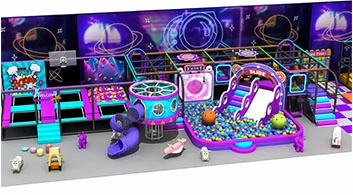
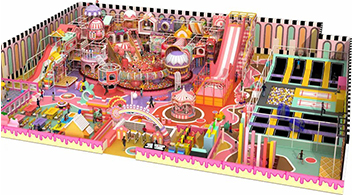
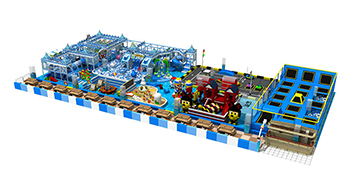
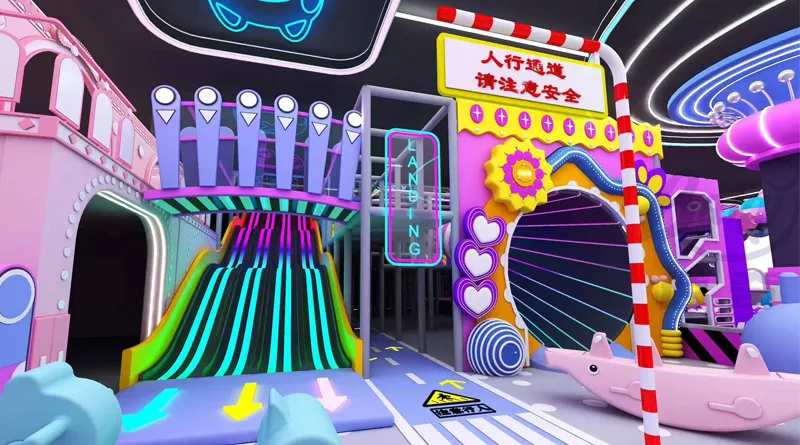
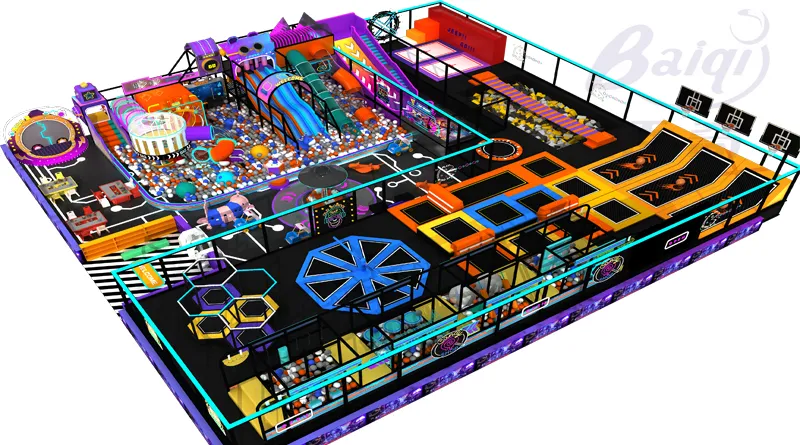
Indoor play areas are specialized entertainment venues designed primarily for children, typically located in shopping malls, standalone buildings, or community centers. These facilities are equipped with various play structures such as soft play complexes, ball pits, climbing walls, slides, role-play zones, and interactive games. They provide a safe, controlled environment where children can play freely, explore, and develop social skills, regardless of weather conditions.
More than just a play space, modern indoor playgrounds often include amenities like parent lounges, cafés, and Wi-Fi, allowing caregivers to relax or work while supervising their children. This dual-service model has made them a popular destination for contemporary families.
Starting an indoor playground business can be a rewarding venture, but it requires careful consideration of several factors.
Who is it for?
Individuals passionate about children and family entertainment
Those with some background in business management or marketing
People capable of handling safety regulations and insurance matters
Entrepreneurs with sufficient startup capital (typically $100,000 - $500,000 depending on scale and location)
Key Challenges:
High initial investment and equipment costs
Stringent safety standards and insurance requirements
Seasonal fluctuations and holiday dependency
Intense market competition and need for continuous innovation
Success Factors:
Unique themes and differentiated design
Exceptional safety and hygiene standards
Effective marketing and membership programs
Diversified revenue streams (admission, parties, classes, etc.)
Profitability varies significantly based on scale, location, and operational efficiency. Here's a typical estimate:
Initial Investment:
Small venue (500-800 sq ft): $50,000 - $100,000
Medium venue (1,500-3,000 sq ft): $150,000 - $300,000
Large venue (5,000+ sq ft): $400,000 - $800,000+
Monthly Operating Costs: $5,000 - $20,000 (rent, utilities, salaries, insurance, etc.)
Revenue Sources:
Admission fees: $10 - $25 per child
Party packages: $200 - $800 per event
Membership fees: $30 - $100 per month
Café and retail: Additional income streams
Estimated Annual Profit:
Small venue: $50,000 - $150,000
Medium venue: $150,000 - $400,000
Large venue: $400,000 - $1,000,000+
Net profit margins typically range from 15% to 35%, with many businesses recouping initial investment within 2-3 years of successful operation.
1. Consistent Market Demand: Regardless of economic conditions, parents consistently invest in their children's entertainment and development.
2. Repeat Business Model: Once families are attracted, they often become regular visitors.
3. Diversified Revenue Opportunities: Beyond admission fees, income can be generated through parties, classes, retail, and more.
4. Economic Resilience: Family entertainment often remains stable during economic uncertainty.
5. Community Building Value: Becoming a local family hub helps build strong brand loyalty.
6. Expansion Potential: Opportunities to develop into chain brands or add new services (like early education classes or parent-child activities).
1. Themed and Differentiated Design
Create unique concepts (space exploration, forest adventure, underwater world)
Regularly refresh certain elements to maintain novelty
2. Diversified Revenue Model
Combine admission fees with membership programs
Offer birthday party and corporate event packages
Provide add-on services (photography, specialty workshops, parent-child classes)
3. Exceptional Parent Experience
Comfortable lounge areas with free Wi-Fi
Healthy food and beverage options
Thoughtful observation areas for easy supervision
4. Effective Marketing Strategy
Active social media presence and local family community engagement
Partnerships with schools and kindergartens
Member referral programs and loyalty rewards
5. Prioritize Safety and Hygiene
Safety measures that exceed industry standards
Visible cleaning protocols and sanitization stations
Staff training in first aid and safety certification
6. Seasonal Innovation and Events
Holiday specials and theme weeks
Educational workshops and skill-development sessions
Evening family events and parents' night out programs
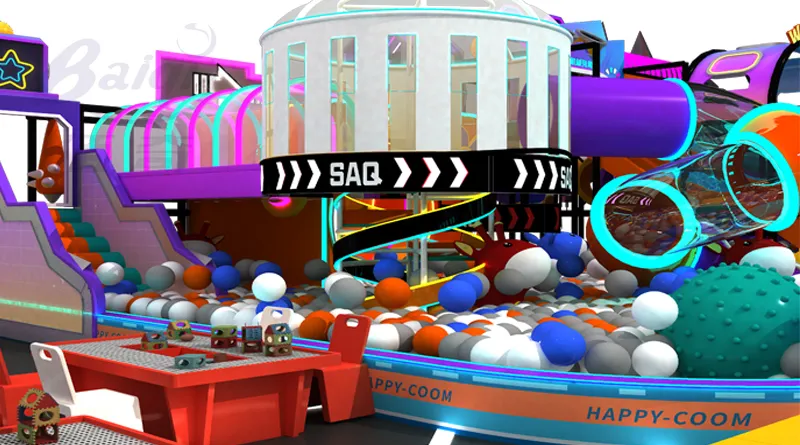
Equipment Selection Tip: Quality equipment forms the foundation of success. Baiqi's Indoor Playground Equipment not only meets international safety standards but also offers smart interactive features and customizable modules. This flexibility helps owners adapt their space layout to different age groups, maximizing both space utilization and customer satisfaction.
Indoor playground businesses certainly have the potential to be profitable ventures, but success is not automatic. It requires meticulous planning, thorough market research, differentiated concept design, excellent operational management, and uncompromising safety standards. Partnering with quality equipment suppliers like Baiqi can significantly reduce long-term maintenance costs while enhancing the customer experience.
For entrepreneurs with passion, preparation, and willingness to invest the necessary work and resources, indoor playgrounds offer a unique opportunity combining commercial success with community value. By implementing the strategies above while continuously focusing on customer needs and innovation, this business model can deliver steady returns and lasting success.
Q1: What is the ideal target age range for an indoor playground?
A: Most successful indoor playgrounds primarily target children aged 1-8 years, but with zoning, they can accommodate a wider age range.
Q2: What licenses are needed to start an indoor playground?
A: Typically required: business license, certificate of occupancy, health and safety inspection certificates, insurance, and compliance with local children's entertainment facility regulations.
Q3: How to handle low-season business?
A: Balance seasonal fluctuations by hosting special events, workshops, summer camps, evening programs, and partnerships with schools.
Q4: What are typical operating hours for indoor playgrounds?
A: Most open afternoons on weekdays and all day on weekends, with some offering special morning sessions for preschoolers on weekdays.
Q5: What is the typical payback period?
A: With proper management, it usually takes 2-4 years to fully recoup the initial investment, depending on scale, location, and marketing effectiveness.


Copyright © 2024 Wenzhou Baiqi Playground Equipment Co., Ltd All rights reserved.
 Get a Custom Playground Quote